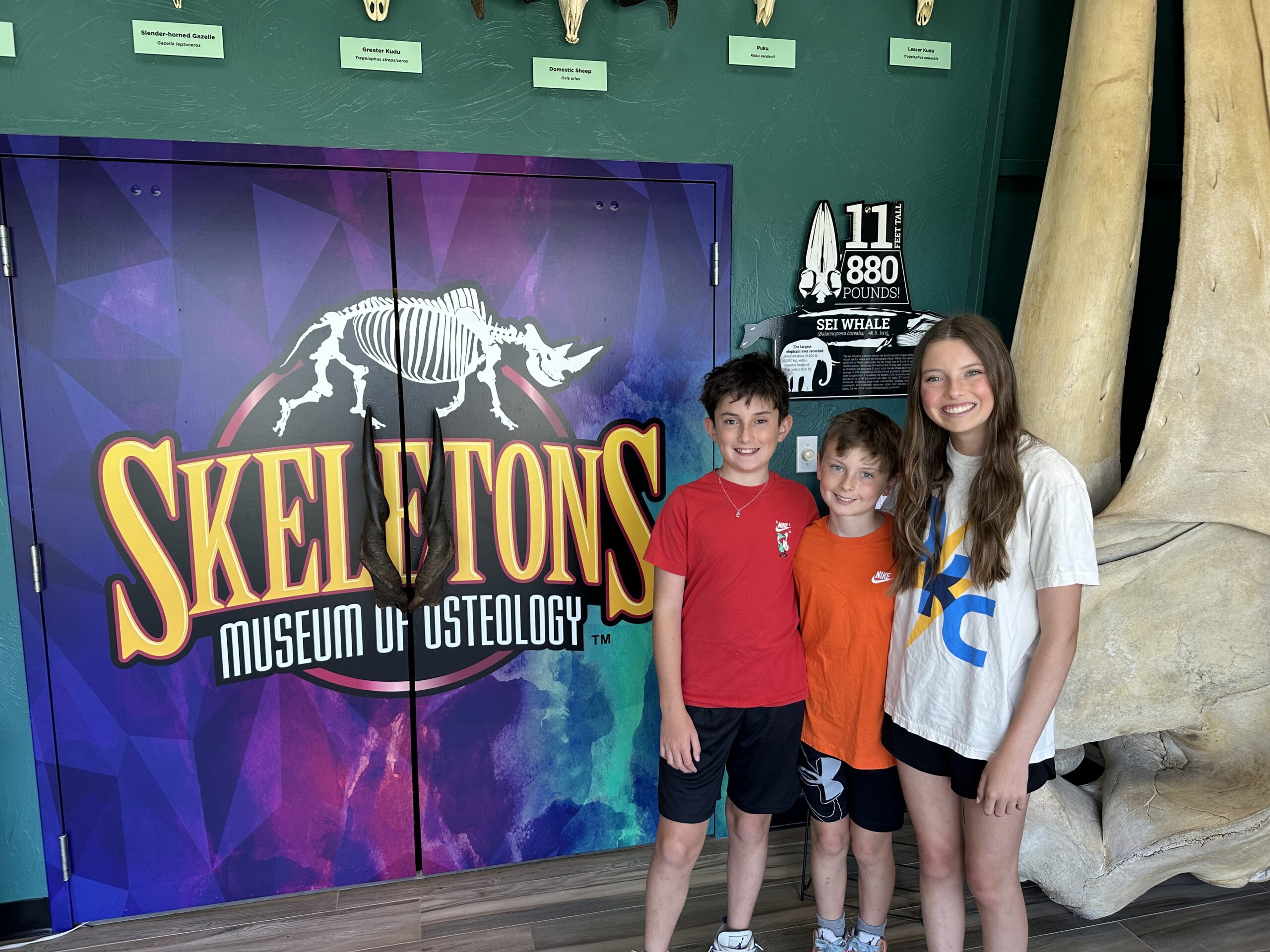
If you’ve been to SKELETONS: Museum of Osteology before, you already know it’s a place where curiosity comes alive. But the brand-new Hall of Biodiversity — which opened in July 2025 — takes that wonder to an entirely new level. This massive expansion adds more than 100 specimens to explore, and it delivers jaw-dropping moments for every member of your family.
As someone who’s watched my kids light up during previous visits to this museum, I was thrilled to get a sneak peek of what promises to be their most exciting expansion yet. From the moment we walked in, we were surrounded by creatures that sparked endless questions, comparisons and that magical “wow” factor that makes museum visits so memorable.
What makes the Hall of Biodiversity special
SKELETONS opened in 2010 to showcase the form and function of the skeletal system through more than 450 real skeletons on display. I love that breadth and depth of learning available to visitors in this museum — the quality of the displays, focus on conservation, videos about the process of preparing specimens and the opportunity to compare and contrast species makes for for an incredibly engaging learning experience that appeals to curious minds of all ages.
The addition of the new Hall of Biodiversity isn’t just about adding more animals to see — it’s about understanding how incredible and diverse life on our planet really is. The exhibit is thoughtfully organized into 10 themed sections that explore how different species have adapted to survive in their unique environments. Walking through feels like taking a journey across the globe, from the depths of the ocean to the African savanna.
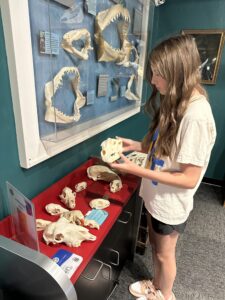 We stood in the new space for more than 30 minutes, seeing something new every time we turned around. I lost track of the number of times we said “Wow! or “Look at that!” The massive Galápagos tortoise skeleton was definitely a show-stopper, and my kids loved getting to see that within the tortoise’s flippers are long fingers that look not so different from their own. The reticulated python skeleton was mesmerizing — all 20-plus feet of it laid out so you could see every intricate vertebra.
Being able to see two taxidermy polar bears next to a polar bear skeleton (standing at full height!) was beautiful and educational, giving my animal-loving kids an even greater boost to learn about conservation efforts for animals who thrive in cold climates. The full-body taxidermy rhinoceros had us all marveling at the sheer size and power of these animals, while the delicate hummingbird skeleton reminded us that nature’s engineering works at every scale.
This new exhibit builds on what already makes the Museum of Osteology so special for families, but amplifies it in every way. The Hall of Biodiversity adds layers of discovery that keep everyone engaged, from preschoolers pointing out familiar animal shapes to older kids asking deeper questions about adaptation and survival. It’s the kind of expansion that doesn’t just add more to see — it transforms how you experience the entire museum, giving you new ways to understand the connections between all living things.Perfect for All Ages and Attention Spans
Beyond the Hall of Biodiversity: Even more to discover
If you have kids who love asking “how” and “why” questions, the full SKELETONS: Museum of Osteology experience will keep them busy for hours. The informational displays are detailed enough to satisfy curious minds but accessible enough that even younger kids can understand and engage with the content.
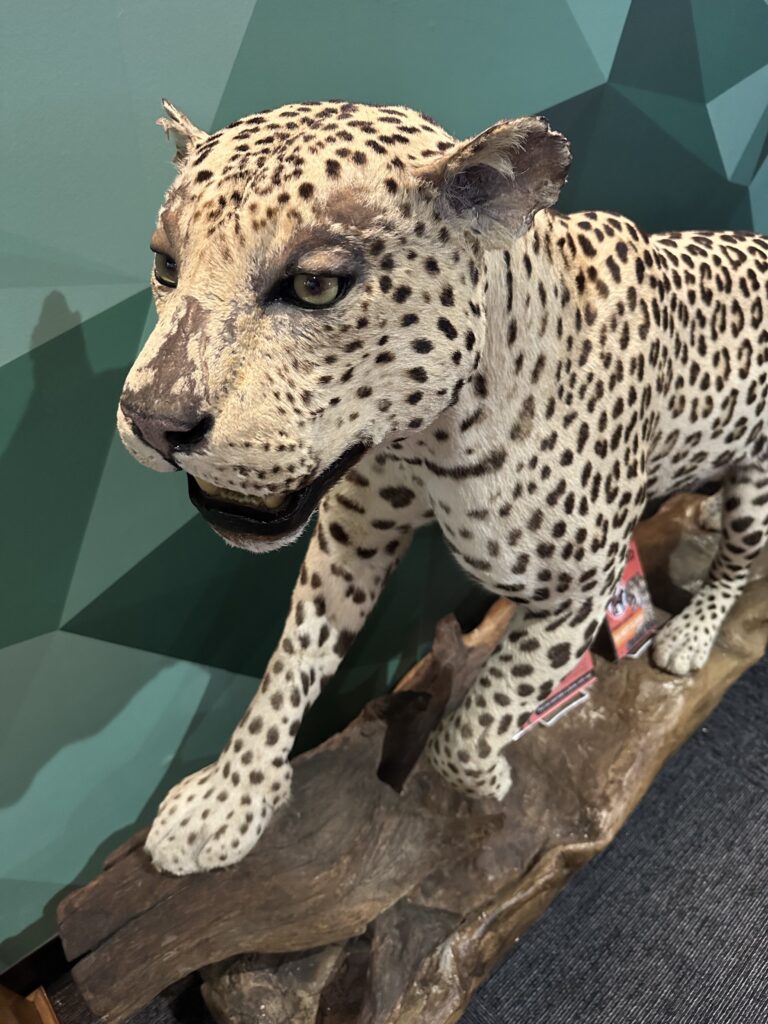 In addition to the new Hall of Biodiversity, the rest of the museum has added new skeletons throughout, plus there are lots of hands-on opportunities to engage. There are several specimens, both skeletons and taxidermy, that you can touch. Where else would you get a chance to pet a lion?!? This up-close opportunity to see and appreciate how our bones are put together creates those moments that help learning stick, for kids and adults alike!
The museum offers scavenger hunts across varied ages, plus the Explorer’s Corner upstairs provides even more hands-on fun through coloring sheets, books and a skull-matching game.
Beyond the obvious excitement of seeing world-record-holding specimens and rare animals up close, the museum does something really important: it expands kids’ understanding of what’s possible in science careers. Whether your child is fascinated by marine biology after seeing the hammerhead shark, inspired by conservation work after learning about the California condor or curious about veterinary science after examining different bone structures, this museum plants seeds for future passions and career paths.
The focus on adaptation and survival also provides countless opportunities for meaningful family conversations. How do animals develop the traits they need to survive? What can we learn from studying these incredible creatures? How can we better protect the wildlife we’re learning about? These are the kinds of discussions that stick with kids long after the museum visit ends.
Plan your visit
The Hall of Biodiversity is now open as a permanent addition to SKELETONS: Museum of Osteology, located at 10313 S Sunnylane Road in Oklahoma City. Admission remains $13 for guests 13 and up, $11 for children 3-12 and free for kids 2 and under — which is a great value for the amount of learning and wonder packed into this experience.
Pro tip: Plan for at least two hours if you want to fully explore both the original museum and the new Hall of Biodiversity. The museum provides benches and seating throughout, plus an elevator, making it accessible for visitors who need breaks or have mobility considerations.
This is exactly the kind of family adventure that creates lasting memories while sparking curiosity about our natural world. Whether you’re regulars at the Museum of Osteology or planning your first visit, the Hall of Biodiversity belongs on your summer bucket list. My kids are already asking when we can go back — and honestly, so am I.