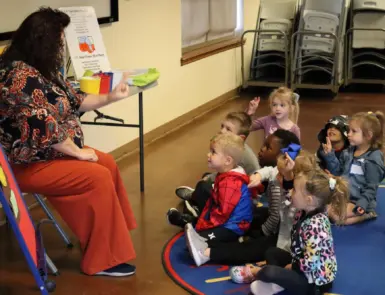
Reading is one of the most important skills a child can have. It helps build language skills, expands vocabulary, and supports healthy brain development. Reading is also a great way for parents to bond with their children. However, learning to read is a difficult skill that takes time, patience, and practice.
Before teaching a child to read, it is important to foster a love for reading. One of the best ways to do that is by visiting your local library and letting your child pick out a book that interests them. Once they choose a book, try creating an experience around the story. For example, if your child picks a book about the grocery store, read the book together and then visit a grocery store so they can connect the story to real-life experiences. Another fun way to encourage a love for reading is by doing a craft that relates to the story. Families can also create a book club by choosing a book together, watching the movie version afterward, or making a meal inspired by the story. These activities help make reading exciting and memorable.
Once your child has developed a love for books, there are several ways to strengthen their reading skills.
The first is to read every night. Reading consistently gives children the opportunity to improve a little each day while building confidence.
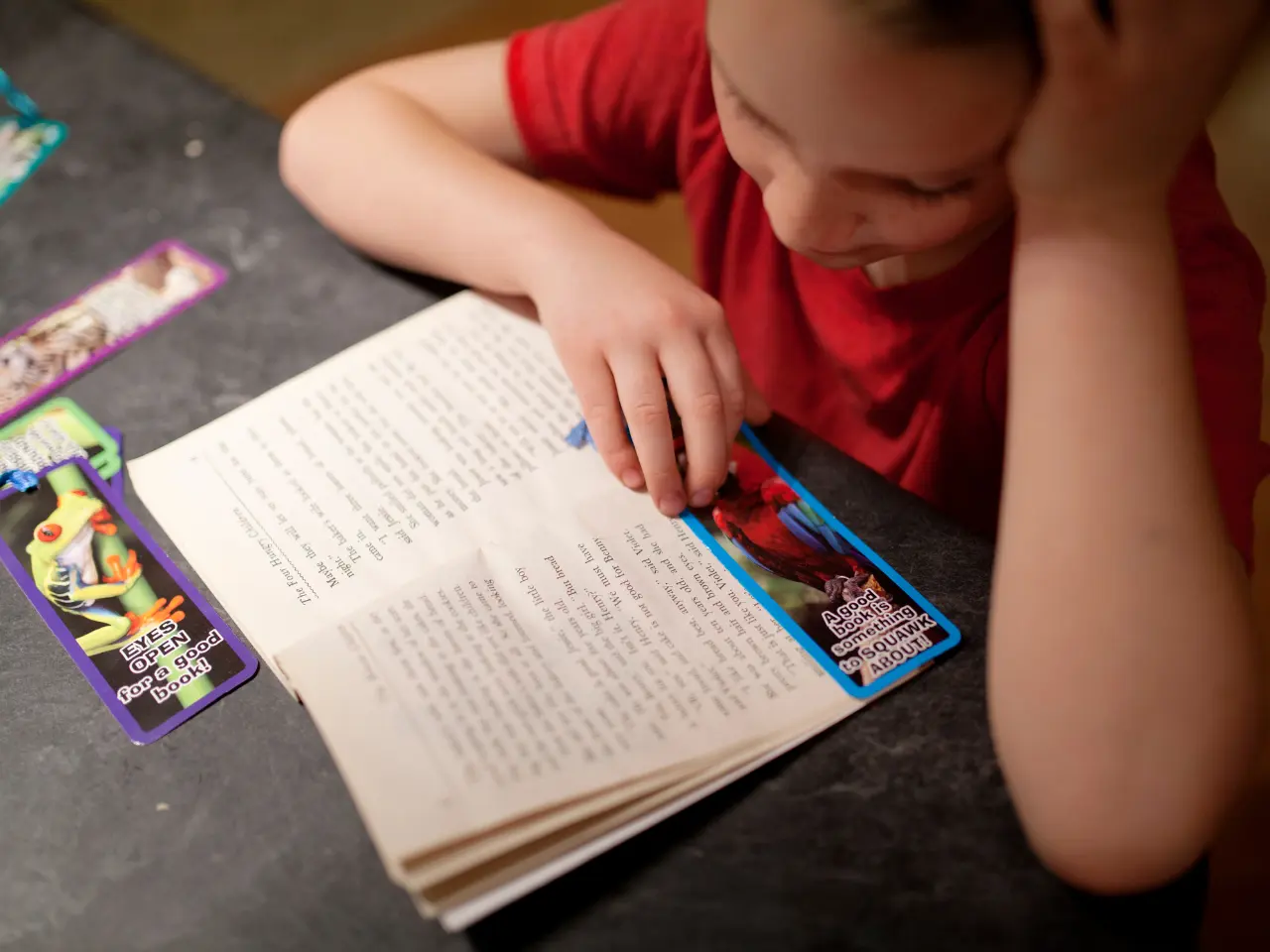
Another helpful strategy is the five-finger method. Have your child read one page from their current book and hold up one finger for each word they struggle to read. If there are no fingers up, the book is probably too easy, although it is still important to finish the book to teach your child the value of completing what they start. If there are two or three fingers up, the book is at a good reading level. If all five fingers are up, the book is too difficult. In that case, read the book aloud to your child and then help them choose an easier book they can read more independently.
Finally, ask “W” questions throughout the story, such as “Who?”, “What?”, “When?”, and “Where?” Asking these questions helps build reading comprehension by encouraging children to think about and understand what they are reading instead of simply saying the words.
Creating positive reading experiences and practicing these simple strategies can help children become stronger, more confident readers. Most importantly, they can develop a lifelong love of books that will benefit them both in school and beyond.