
Oklahoma’s health outcomes paint a troubling picture, but advocates say there is reason for hope. The 2024 America’s Health Rankings report ranks Oklahoma 47th in overall health, while recent Kids Count data places the state 43rd for child health.
 Daily habits play a big role. Chronic diseases such as diabetes and respiratory conditions are widespread in Oklahoma due to preventable behaviors like unhealthy eating, physical inactivity and tobacco use.
Data shows only 3.8% of Oklahoma adults eat enough fruits and vegetables, and nearly 30% report no physical activity outside of work. In 2023, almost 40% of children did not eat enough fruits and vegetables and 72.6% consumed sugary drinks each week. Smoking rates among adults and teens are also higher than national levels.
These troubling statistics highlight the urgent need for healthier lifestyles among Oklahomans. Leaders across the state are working to shift the culture toward healthier living. Karin Leimbach, program coordinator at the Oklahoma State Department of Health, is helping drive that change through the Certified Healthy Oklahoma Program, which she says is about “making the healthy choice the easy choice.”
What is Certified Healthy Oklahoma?
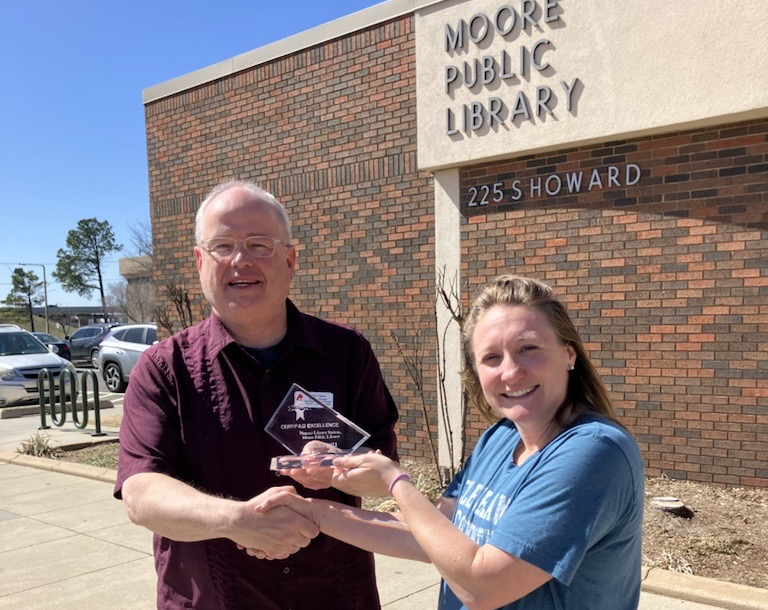
The Certified Healthy Oklahoma Program began in 2003 as a free, voluntary statewide certification program, initially focused on businesses. Over time, it expanded to include communities, campuses, congregations, early childhood centers and schools.
The program promotes evidence-based strategies for health and wellness across the state.
In 2010, the initiative was formalized through state statutes creating the Certified Healthy Schools and Certified Healthy Community Act. This gave the program a permanent place in state law and encouraged participation from a wide range of organizations. Leimbach says the program continues to evolve, with updates reflecting current public health best practices.
How does the Certified Healthy Program benefit Oklahoma families?
The Certified Healthy Oklahoma Program helps families by making healthy choices more accessible, supporting lifelong wellness and building stronger communities. It carries out that mission in several ways:
- Creates healthy spaces: By motivating schools, childcare centers, workplaces and communities to use proven health strategies, the program makes it easier for families to make healthy choices.
- Builds healthy habits for life: The program focuses on teaching kids good habits early at schools and daycare, while also supporting adults at work and older folks through community programs.
- Increases access to helpful resources: Through the organizations involved in Certified Healthy Oklahoma, families can tap into a wide variety of helpful resources, programs and local partnerships — like fitness classes, nutrition help and quit smoking programs.
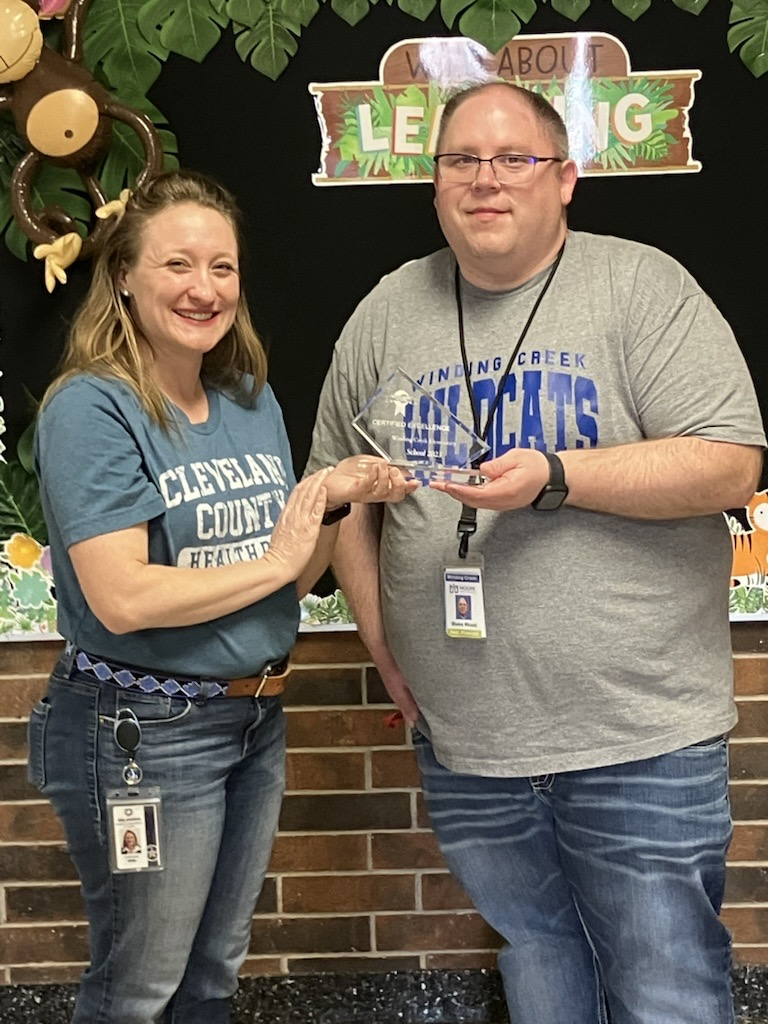
- Spotlights healthy organizations: When organizations get certified, they get public recognition, in the form of press releases, social media posts and even a physical certificate that can be displayed. This recognition lets families know that their schools, workplaces or community centers are all in on health and wellness.
- Promotes community involvement: The program encourages families, schools and community groups to work together to achieve certification. Anyone can join by choosing areas of focus and having a say in decision-making.
How to become “Certified Healthy”
Small steps lead to big change. Here’s how organizations can join the movement for a healthier Oklahoma:
- Choose a category: Pick which of the six categories (businesses, communities, campuses, congregations, early childhood centers, or schools) best fits your organization.
- Access the application: Visit the Certified Healthy Oklahoma website, where applications for each category are available for download. The website also provides examples of past winners and detailed resources.
- Gather information: Review the application and collect the necessary information. This often requires input from multiple stakeholders, depending on the organization type (e.g., teachers, human resources, administrators).
- Complete and submit the application: Fill out the application, ensuring all required criteria and supporting information are included. Applications are open from Aug. 1 to Nov. 1 each year.
- Receive Feedback and Certification: After submission, applications are reviewed. If certified, organizations receive a certificate and public recognition. If not, they receive a report outlining steps to reach the next level.
- Annual Renewal: Certification is annual, so organizations are encouraged to reapply each year. This allows them to maintain their status or work toward higher levels of certification.
Leimbach adds that county health departments and the program website offer tools, templates and guidance to support applicants at every step.
Reaching Communities
To boost participation in the Certified Healthy Oklahoma program, especially in underserved counties, Leimbach says that local engagement has been highly successful. County health departments actively participate in coalition meetings and collaborate with local partners. This grassroots approach encourages a strong support network within the community.
Additionally, personalized support plays a vital role in the program’s success. This hands-on approach helps make the certification process less intimidating. Staff members focus on relationship-building, understanding that each community has unique needs.
Leimbach says that these combined efforts have led to impressive results, with previously uncertified counties now joining the program. At its core, the Certified Healthy Oklahoma Program continues to grow because it meets communities where they are, provides real-time support and equips organizations with the concrete tools they need to succeed.
Learn more at oklahoma.gov/certifiedhealthy.html.
This article is sponsored by the Oklahoma State Department of Health. The department aims to protect and improve public health through a system of local health services throughout the state.