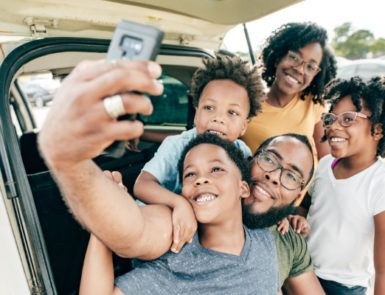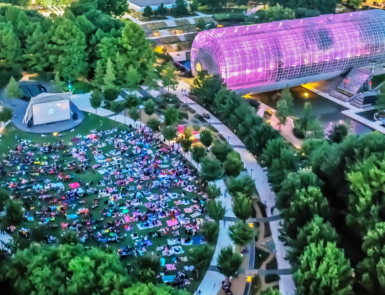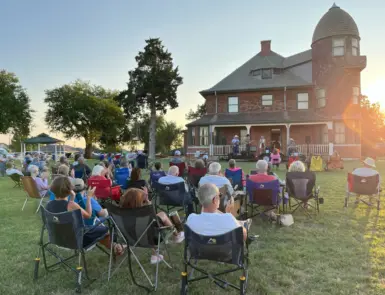
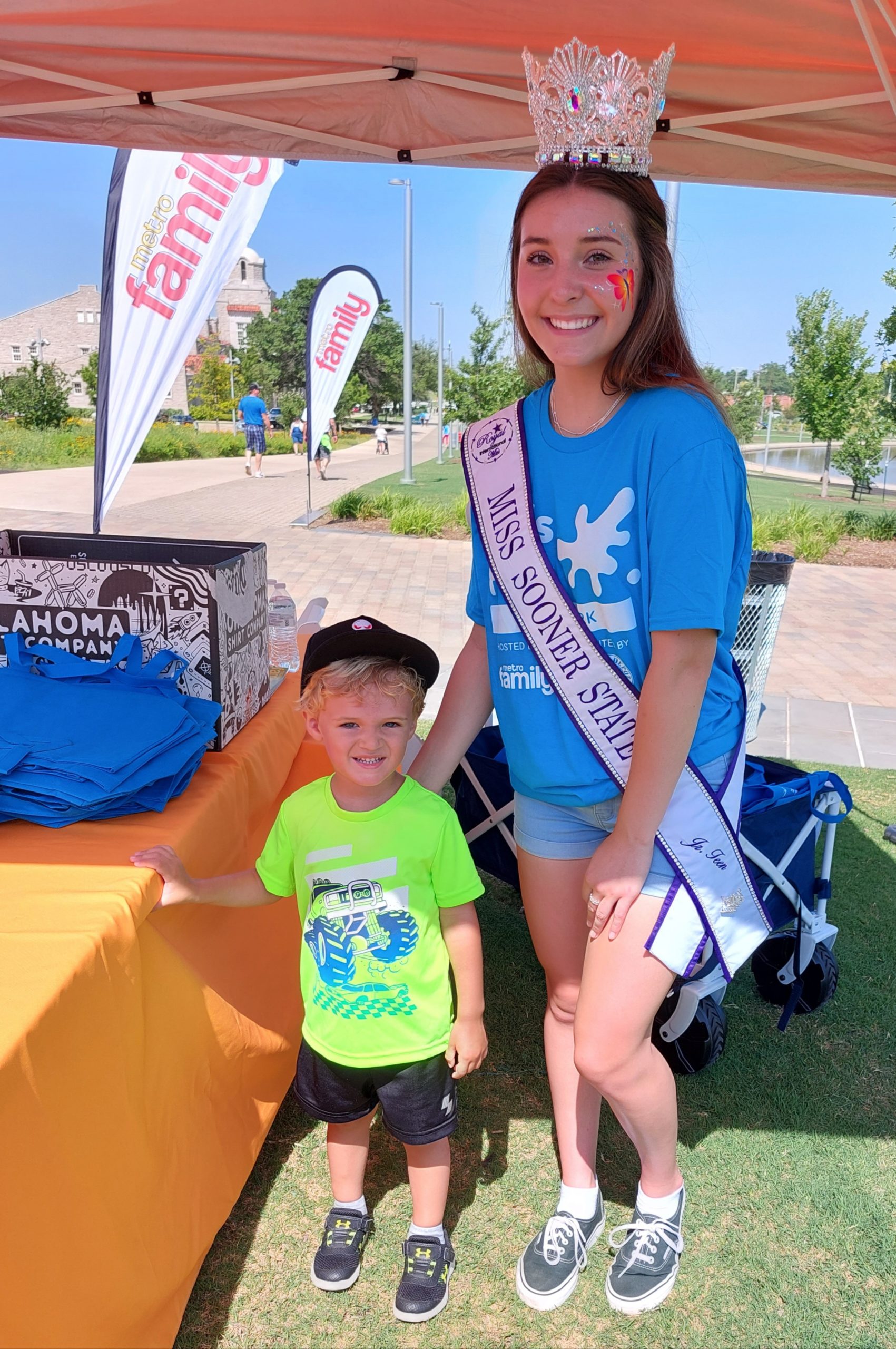
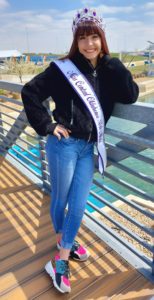
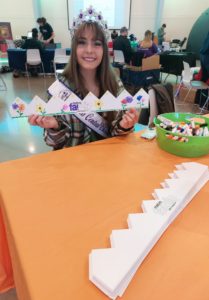
 The opportunity to volunteer and get involved in my community has always been something that has been very special to me and my family. I have come to understand that a time comes in life when we finally realize that the world is good. Good things can and do happen and we can be a part of those good things. You can make some of the most amazing memories and meet the most incredible people. Some of my most memorable moments were when I volunteered at Geekapalooza helping kids make and color paper crowns, or the time we awarded accomplishment medals for the scavenger hunt at Thrive Fest; each of those times left me smiling from ear to ear and happy to have spent the day volunteering with MetroFamily. These moments give me that reassurance that we all can benefit by giving back to our community.
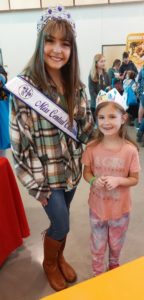 Since I was very young, I have had the pleasure of volunteering within my community. My parents have instilled in me and my brother that above all things, be loving, be givin and kind to others. There is always an opportunity to help someone. We all deserve to have that feeling of worth, achievement, accomplishment and simple goodness. Volunteering has helped me to realize that by giving back to others, I have also been impacted. I have been given hope that there is kindness in this world and that when we help we all benefit. There are so many ways we can help to make this happen.
 We all have talents, gifts and abilities that help to make us who we are. In turn, we can then share them with others. I have realized through my volunteering that there are so many different and specific community needs. By working together, we can focus on the pressing needs of our communities and work to make the greatest impact. By volunteering in areas that best fit our skills and abilities, we are also creating strong bonds and making a difference. When we have a true passion for service, it truly changes you. Volunteering allows everyone the opportunity to help and to make positive impacts so we can all live our best lives!
Be the one to stand up and set the example in your community. By sharing various acts of kindness, it will always come back to you full circle.
Here are some ways for you to get involved in your community:
- VolunteerMatch – Where Volunteering Begins
- Find a Volunteer Opportunity Near You | United Way Worldwide
- Find Ways to Volunteer Near You and Nationally (aarp.org)
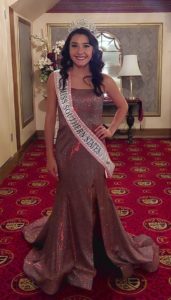 Carleigh Harp is a senior at Westmoore High School. She is the newly crowned 2023-2024 Princess of America Jr. Miss Southern States. She will go on to represent her title at the national Princess of America pageant this summer in Branson, Missouri. Since she was 12-years-old, she has held many titles, including Princess of America Teen Oklahoma, Teen Universe Oklahoma, Royal International Miss Sooner State Jr. Teen and Royal International Miss Central Oklahoma Role Model. Find her on Instagram: @c_harppageantry and @poa_ss_juniormiss