
Trinity School at Edgemere is Oklahoma City’s only school solely dedicated to serving children with learning differences, including autism, ADHD, dyslexia, dysgraphia, dyscalculia, auditory and sensory processing issues, anxiety and developmental or intellectual delays. The K through 12 program offers a traditional school environment with individualized instruction to help students reach their full academic and social potential.
Many of Trinity’s students face sensory processing challenges that make trying new foods or eating balanced meals difficult. Trinity has made nutrition a priority to support their overall health and learning readiness.
Five-star cuisine meets school cafeteria

Mackenzie Bentley, Trinity’s chef and head of child nutrition, is passionate about presenting students with local, nutritious fare in positive and creative ways. Her resume includes a culinary apprenticeship at The Coach House in Oklahoma City, working at Michelin-starred Komi in Washington, D.C. and serving as executive chef at restaurants in Oklahoma City. She’s also cultivated farm-to-table dining experiences in Colorado and worked with a nonprofit serving orphans in Africa.
How are you elevating school meals through your culinary experience?
My knowledge of menu development and farm-to-table meal prep has guided me as I’ve worked to create diverse and appealing dishes. I’m passionate about supporting local meat and produce farmers and strive to include as many fresh and scratch-made ingredients as I can.
How do you serve meals to accommodate sensory sensitivities?
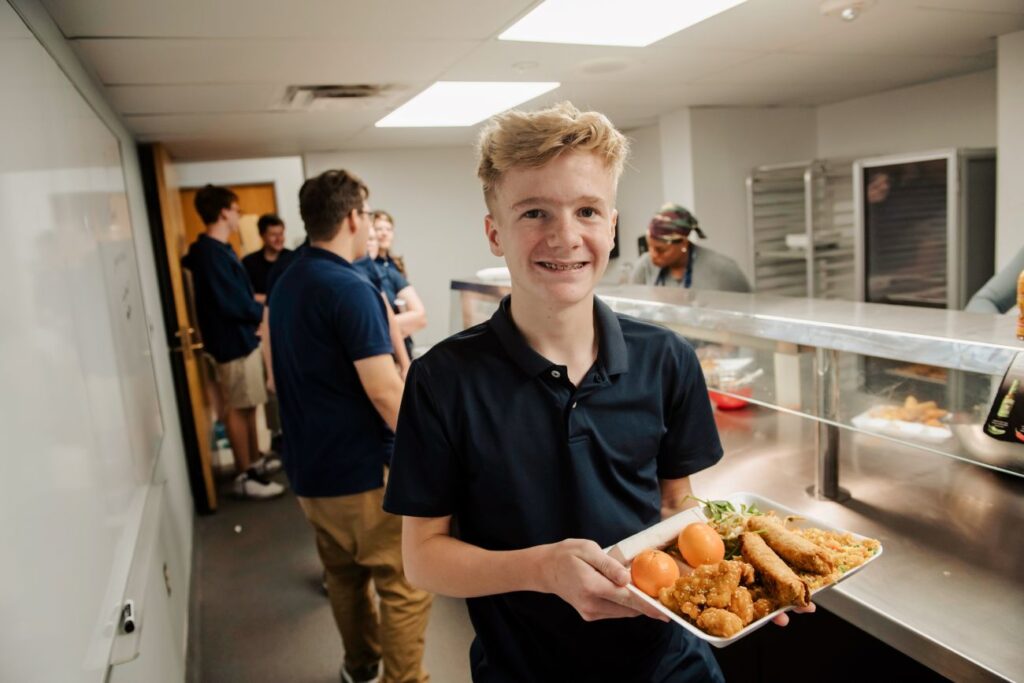 My approach to deconstructing meals — serving components separately and explaining each option — addresses common sensory sensitivities, making mealtime less stressful and more inviting for students who might otherwise avoid unfamiliar foods. I’ll have a protein like chicken or a carbohydrate like pasta and each ingredient will be served alone. Then, I’ll provide an array of accouterments with different sauces and flavorful sides. I always have a variety of fruit available as well.
As the kids go through the service line, I try to explain what each item is to build interest and allow them freedom to choose what they want, while gently encouraging them to try something new. As I’ve developed relationships with students, I’ve seen them step out of their comfort zones. I’ve had so many parents be amazed at what their children have added to their diet — increasing the food options they eat at home and even becoming more adventurous when ordering at restaurants.
While it can be a long process and requires patience and understanding, I believe expanding a student’s flavor and texture palate expands their world.
What does the future of nutrition look like at Trinity?
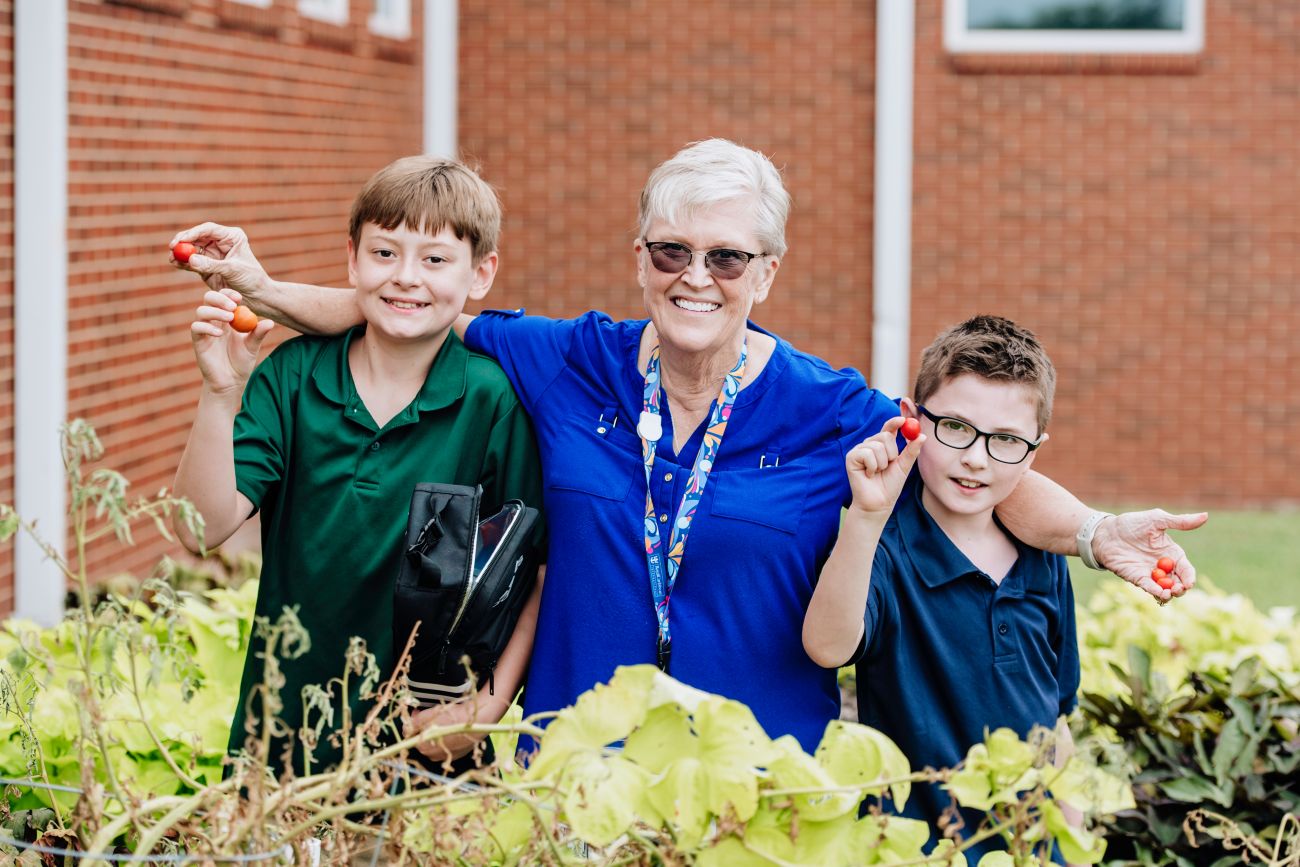
I’m very excited that Trinity School remains committed to providing fresh and nutritious meals. Our recent grant from Whole Foods has allowed us to create a school garden where kids can have hands-on experiences harvesting produce that we use in the kitchen. It’s these opportunities that help teach kids about food and encourage a future of healthy food choices.
Trinity helps students with learning differences overcome sensory barriers to nutrition —supporting not only their physical health but their confidence and independence.
Learn more at trinityschoolokc.org.